
.svg)


Land investment in Egypt

- Advantages of Land Investment in Egypt
- Types of Land Suitable for Investment
- Residential Land for Sale
- Commercial Land for Sale
- Industrial Land for Sale
- Agricultural Land and Farms for Sale
- How to Choose a Successful Investment Land
- Key Factors That Determine Land Value
- Residential Land or Agricultural Land: Which Is Better?
- Steps to Buy Land Safely
- Important Legal Documents Before Buying Land
- Common Mistakes to Avoid When Investing in Land
- How to Calculate Return on Land Investment
- Important Tips Before Buying Investment Land
- The Role of Real Estate Platforms in Finding Land
- Best Strategy for Land Investment
- Is Land Investment Suitable for Beginners?
- How to Start Land Investment with Confidence
- Frequently Asked Questions About Land Investment
- Is buying land a profitable investment?
- What is the best type of land for investment?
- Is agricultural land a good investment?
- How can I verify land documents before buying?
- Is it better to buy a small or large plot of land?
Land investment in Egypt is one of the most valuable forms of real estate investment, especially for investors looking to preserve capital and achieve long-term growth. A plot of land is not just an empty space; it is a flexible asset that can be developed, resold, leased, divided, or transformed into a residential, commercial, industrial, or agricultural project depending on its location, legal status, and permitted use.
With Egypt’s continuous urban expansion, the development of new cities, and the growing demand for residential, commercial, and agricultural spaces, land has become an attractive choice for investors who want a secure asset with strong future potential. However, successful land investment is not based on buying any available plot. It starts with understanding the location, studying the land type, reviewing legal documents, and evaluating the future growth of the area.
If you are searching for land for sale in Egypt or planning to buy investment land for the first time, this guide will help you understand the key factors to consider before making a purchase and how to choose the right land according to your investment goals.
Advantages of Land Investment in Egypt
One of the strongest advantages of land investment is that land is a limited asset. Unlike many other investment products, land cannot be produced endlessly, while demand for it continues to grow as population increases, cities expand, and new residential, commercial, and industrial projects are developed.
Compared to ready-built properties, land usually requires lower maintenance costs. Apartments, villas, offices, and commercial units may need regular maintenance, renovation, management, or tenant follow-up. Land, on the other hand, can hold its value for long periods without the same level of operating expenses, especially if the purpose is long-term capital appreciation.
Another major advantage is flexibility. An investor can buy land and hold it until its value increases, develop it into a project, divide it into smaller plots, lease it, or use it for agricultural or commercial purposes depending on the land classification and legal permissions.
Land investment becomes even more attractive when the plot is located in a promising area witnessing infrastructure development, new roads, public services, nearby urban growth, or increasing demand from buyers and developers. In such cases, the value of land may grow significantly over time.
Types of Land Suitable for Investment

Choosing the right type of land is the first step toward building a successful investment. Not every plot suits every investor, because each land type has a different purpose, risk level, required budget, and expected return.
Residential Land for Sale
Residential land is one of the most popular types of investment land because it is directly connected to the constant need for housing. Investors usually prefer this type when they plan to build residential units, hold the land until prices rise, or resell it later to a developer or an individual buyer.
A good residential plot is usually located within a clear urban zone and close to essential services such as schools, transportation, markets, roads, utilities, and populated areas. The closer the land is to active residential communities or future urban expansions, the stronger its chances of price appreciation.
You can explore different opportunities through the page Land for Sale in Egypt to compare locations, sizes, and prices before making a buying decision.
Commercial Land for Sale
Commercial land is suitable for investors seeking higher returns, but it requires careful location analysis. The real value of commercial land depends heavily on foot traffic, visibility, accessibility, proximity to main roads, surrounding population density, and nearby service areas.
This type of land can be used for shops, commercial centers, administrative buildings, clinics, offices, warehouses, or service-based projects. However, before buying commercial land, it is essential to confirm that commercial activity is legally permitted and that the plot is not designated for another use. Changing land use can be complicated and may require official approvals.
Industrial Land for Sale
Industrial land is ideal for factory owners, warehouse operators, workshops, logistics companies, and investors planning production-related projects. Its demand is usually linked to business activity, manufacturing needs, storage requirements, and industrial-zone development.
When evaluating industrial land, investors should focus on transportation access, roads suitable for trucks, proximity to power sources, availability of utilities, ease of labor access, and compliance with zoning regulations. It is also important to review the permitted industrial activities before purchase, as some industries require special approvals.
Agricultural Land and Farms for Sale
Agricultural land investment is suitable for investors who want an asset that can be used for farming, production, leasing, or developing a private farm. This type of land may generate operational income, not only capital gains from resale.
However, agricultural land requires a different type of study. Investors need to examine soil quality, water sources, suitable crops, access roads, reclamation costs if needed, and the legal status of ownership and registration. It is also important to make sure the land is genuinely suitable for agricultural use and not simply a remote plot offered at a low price with limited practical value.
For investors interested in this category, the page Farms and Agricultural Land for Sale can help compare available options by area, size, and price.
How to Choose a Successful Investment Land
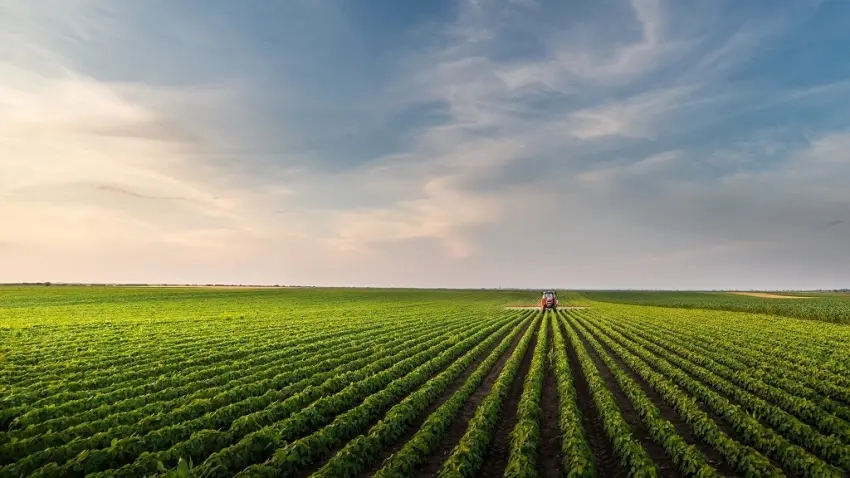
Buying profitable land does not start with finding the cheapest plot. It starts with choosing land that combines a strong location, clear legal status, suitable permitted use, and future growth potential. Some plots may look attractive because of their low price, but they may become a burden if the location is weak, documents are incomplete, or utilities are unavailable.
The first factor to evaluate is location. Land near main roads, active urban communities, services, new developments, and transportation networks usually has better chances of increasing in value. On the other hand, land that is too far from any existing development may need many years before its price moves significantly.
The second factor is permitted use. You must know whether the land is residential, commercial, industrial, agricultural, or part of an approved subdivision. Using land against its permitted classification can create legal problems and reduce its investment value.
The third factor is liquidity, or the ability to resell the land later. A good plot is not only one that you can buy at a reasonable price; it is also one that can be sold when needed. Before buying, evaluate demand in the area, potential buyer categories, and the level of market activity around the land.
Key Factors That Determine Land Value
Land prices vary from one governorate to another, and sometimes from one street to another within the same area. Therefore, it is not enough to know the price per square meter; you need to understand why the price is high or low.
Geographic location: Location is the strongest factor in land valuation. A plot inside an active urban zone or near a main road is usually more valuable than a remote or hard-to-access plot. Proximity to new cities, highways, and transportation corridors can also increase future growth potential.
Utilities and services: The availability of electricity, water, sewage, paved roads, and communication networks increases the value of land because it reduces future development costs. Land without utilities may be cheaper, but the investor must calculate the cost of connecting services before buying.
Legal and planning status: Licensed land or land located within an approved plan is generally safer than land with unclear legal status. Investors must review documents carefully and confirm that there are no disputes, violations, restrictions, or issues that could prevent building, selling, or registration.
Size and shape: Not all plots of the same size have the same value. A regularly shaped land plot with a good frontage and practical building potential is usually better than a large irregular plot with weak access or limited usability. In some cases, a smaller plot in a prime location can be more valuable than a larger plot in a less attractive area.
Future of the area: Land value is strongly connected to the future of its location. If the area is part of urban expansion, close to service projects, or witnessing increasing demand, the land may have stronger appreciation potential. Do not only look at the current situation; ask how the area may look in three, five, or ten years.
Residential Land or Agricultural Land: Which Is Better?
There is no single answer that works for every investor. The better choice depends on your investment goal, budget, experience, and risk tolerance.
Residential land is suitable for investors who want a more traditional real estate investment linked to housing demand. This type of land is often easier to resell, especially if it is located within a known urban area, has clear documents, and is suitable for construction.
Agricultural land, on the other hand, may be suitable for investors looking for larger areas at a lower price per meter, with the possibility of generating income through farming, leasing, or developing a farm project. However, it requires deeper knowledge of soil quality, water availability, operation costs, and agricultural management. It may also take longer to resell compared to residential land.
If your goal is to compare different land types and opportunities, you can use the dedicated search page for Investment Land for Sale to filter results by type, location, and price.
Steps to Buy Land Safely

Buying land is a major financial decision, and rushing the process can lead to legal or financial problems. That is why it is important to follow a clear buying process before paying any amount.
Start by defining your goal. Do you want to hold the land for long-term appreciation? Do you plan to build on it? Are you looking for agricultural land for operation? Or do you intend to resell after prices rise? Your goal will determine the most suitable land type.
Next, set your total budget, not just the land price. You should include registration fees, legal consultation, inspection costs, broker commissions, taxes or administrative fees, and possible costs for utilities, fencing, leveling, or permits.
The next step is physical inspection. Never depend on photos alone. Visit the land, check its boundaries, access roads, surrounding environment, nearby services, and actual distance from important locations. It is also useful to ask trusted brokers or local residents about buying and selling activity in the area.
Finally, conduct a legal review. Check the ownership deed, ownership history, registration status, boundaries, and whether there are any disputes, inheritance issues, sale restrictions, or planning conflicts. It is always better to work with a real estate lawyer before signing the final contract.
Important Legal Documents Before Buying Land
Before completing any land purchase, you must make sure that the documents prove ownership and clarify the legal status of the plot. The required documents may vary depending on the land type and area, but there are essential papers that should always be reviewed.
These may include the ownership contract, survey documents, registration papers if available, allocation decision if the land belongs to an authority, real estate transaction certificate, and a planning or zoning statement. You must also confirm that the seller has the legal right to sell and that all personal and property details match the documents.
For agricultural land, it is important to review the water source, possession status, land boundaries, and legal nature of the transaction. For residential or commercial land, you should check building regulations, permitted heights, usage type, and any planning restrictions.
Legal review is not a formality; it is a protection for your capital. A land plot may look attractive because of its price, but if the documents are incomplete or disputed, the investment can turn into a long and costly problem.
Common Mistakes to Avoid When Investing in Land
One of the most common mistakes is buying land only because it is cheap. A low price does not always mean a good opportunity. It may reflect a weak location, lack of utilities, difficult access, legal issues, or low demand.
Another mistake is buying based on verbal promises. Some buyers hear that an area will soon witness major projects or that prices will increase quickly, so they buy without evidence or clear indicators. A smart investment should be based on realistic market analysis, not rumors.
Not visiting the land is another serious mistake. Photos and online listings may give an initial idea, but physical inspection reveals details that are not visible in an advertisement, such as road conditions, neighboring plots, land shape, actual access, and surrounding activity.
Paying a large deposit before legal verification is also risky. No significant amount should be paid before confirming ownership documents and signing a clear agreement that protects both parties. Be especially careful with land that has unclear ownership, incomplete documents, or complicated powers of attorney.
Another common mistake is ignoring development costs. A land plot may seem affordable at first, but the cost of utilities, leveling, permits, fencing, and registration can increase the total investment cost and reduce expected profit.
How to Calculate Return on Land Investment
Calculating return on land investment is different from calculating return on rental properties. Land may not generate monthly income unless it is leased or operated. In many cases, the return appears when the land is resold or developed.
To calculate the real return, you need to compare the purchase price, total additional costs, and expected resale value. Additional costs may include registration, inspection, legal fees, brokerage, utility connection, land leveling, and administrative expenses.
For example, if you buy land at a certain price and then add registration, inspection, and development costs, your real cost is not just the purchase price. After that, you estimate the expected selling price over a specific period based on market movement and location growth.
A good return does not always mean the highest possible profit. It means achieving a reasonable profit with an acceptable level of risk. A plot with clear documents, utilities, and strong market demand may generate a lower percentage return than a remote plot, but it can be safer and easier to sell.
Important Tips Before Buying Investment Land

Choose land that you understand well. If you are a beginner, avoid land types that require technical knowledge or complex operation. A residential plot in a known area may be easier to evaluate than a large agricultural land that requires farming experience and management.
Compare several opportunities before making a decision. Do not buy the first plot you see. Study market prices, follow available listings, understand the average price per meter, and investigate why prices differ from one plot to another.
Do not ignore negotiation. The land market often allows room for negotiation, especially if the plot has been listed for a long time or the seller needs quick payment. However, never let a good price distract you from legal review and proper inspection.
Think about your exit strategy before buying. Ask yourself: who will buy this land from me later? Is it suitable for a developer, a family, a farmer, a business owner, or an industrial investor? The wider the buyer base, the stronger the liquidity of the land.
The Role of Real Estate Platforms in Finding Land
Real estate platforms make it easier for investors to access many opportunities in less time. Instead of relying only on traditional search methods, investors can compare land by governorate, city, type, price, size, and usage, then shortlist the best options for inspection.
Platforms also help users understand market price ranges, discover active areas, and follow new opportunities as they become available. However, online platforms should be considered a starting point, not a replacement for physical inspection and legal verification.
Through Nile Estate, users can explore different sections such as Land for Sale in Egypt, search more specifically for Investment Land for Sale, or browse Farms and Agricultural Land for Sale depending on their investment goals.
Best Strategy for Land Investment
The best land investment strategy is one that combines safety and growth. Do not depend only on uncertain expectations, and do not buy land simply because someone says the area “will rise soon.” Look for land that has current value and realistic future potential.
A practical strategy can be divided into three stages. The first stage is choosing land with clear documents, a understandable location, and suitable usage. The second stage is holding, developing, or operating the land according to your plan. The third stage is selling at the right time when demand increases or the area becomes more developed.
If you have a medium budget, it may be better to buy a smaller plot in a promising location rather than a large plot in an undeveloped area. If you are an experienced investor, agricultural, commercial, or industrial land may offer strong opportunities, provided that you understand the operation and risks.
Is Land Investment Suitable for Beginners?
Yes, land investment can be suitable for beginners, but only if it is approached carefully. A beginner should look for land that is easy to understand, located in a known or developing area, supported by clear documents, and priced close to the market average.
Beginners should avoid land with registration problems, unclear ownership, remote locations, complicated activity changes, or large areas that require professional management. A good beginner investment is not the one with the highest promised return, but the one with risks that can be understood and controlled.
It is also recommended to compare multiple options, consult a legal expert or real estate advisor, and avoid relying on verbal promises about future price increases.
How to Start Land Investment with Confidence
Land investment remains one of the most powerful ways to build real estate wealth when done properly. A good plot can preserve capital, increase in value over time, and give the owner several options, including resale, development, leasing, or operation.
Start by defining your goal, then choose the suitable land type, compare locations, inspect documents, calculate the real cost, and never base your decision on price alone. The best land is not necessarily the cheapest; it is the land that combines a strong location, clear legal status, growth potential, and future resale ability.
With the availability of residential, commercial, industrial, and agricultural land options in Egypt, investors can find opportunities that match different budgets and goals, especially through real estate platforms that make the search and comparison process easier before inspection and purchase.
Frequently Asked Questions About Land Investment
Is buying land a profitable investment?
Yes, buying land can be profitable if the location is carefully selected, documents are legally verified, and the future of the area is studied. Profit usually comes from price appreciation, development, resale, leasing, or operation.
What is the best type of land for investment?
It depends on the investor’s goal. Residential land is suitable for relatively safer long-term investment, commercial land may generate higher returns, agricultural land can be used for operation or holding, and industrial land is suitable for business and production activities.
Is agricultural land a good investment?
Yes, agricultural land can be a good investment, but it requires special study. Investors should evaluate soil quality, water sources, access roads, operating costs, and legal status before buying.
How can I verify land documents before buying?
You should review the ownership deed, ownership history, registration status, land boundaries, planning status, and any disputes or restrictions. It is recommended to consult a specialized real estate lawyer before signing or paying a large amount.
Is it better to buy a small or large plot of land?
The better choice depends on your budget and goal. A small plot in a strong location may be easier to sell and less risky, while a large plot may offer greater profit potential but requires more capital, planning, and management.
0 Comments
Recent Blogs

What is the difference between participation and compensation
Read more

How to Choose a Company Administrative Office
Read more

How to Choose a Successful Commercial Shop
Read more

Regent’s Square Golden Square New Cairo
Read more

Maresidence by Al Marasem Operated by Rotana Hotels
Read more

Egypt’s Real Estate Market in the Summer Season
Read more
Leave Comment